Welcome to Virtual Ventures!
I’m building this little corner of the internet to be a cosy creative workshop: part crochet journal, part pattern library, part bookshelf, and part behind-the-scenes diary. This is where I’ll be sharing my crochet projects, pattern ideas, KDP book updates, laser engraving experiments, and all the tiny, messy steps involved in building a handmade business from scratch.
I’ll be honest right from the start: this place won’t be perfect on day one. But that is exactly the point. Some days, this blog will look like warm coffee, tidy yarn, and neat pattern notes. Other days, it’s going to look like test pieces, failed photos, half-written ideas, and a desk that has become a small craft weather event. Both of those versions belong here.
What You’ll Find at Virtual Ventures
The long-term plan is to build a creative home for everything I love to make. You can expect to see:
- Original Crochet Patterns: From first ideas to finished PDFs.
- KDP Books & Planners: Physical books and printable organisers for makers.
- The Archive: A place for my past crochet projects to live.
- Handmade & Laser Engraved Items: Experiments with wood, leather, and more.
- Behind-the-Scenes: The truth about photography, shop updates, and the “why did this not work?” moments.
I want this blog to feel useful, honest, and human. It’s not meant to be a polished, fake storefront where everything appears finished by magic. This is more like opening the workshop door and saying, “Come in, just mind the yarn mountain!”
Why I’m Building This
Virtual Ventures is about taking the time to make things properly and giving them a place to truly live.
I believe a crochet pattern deserves clear, beautiful photos. A planner deserves a cover that feels special. A finished project deserves a spot in the archive, and a website deserves to feel warm and welcoming.
In my mind, everything connects. The website supports the crochet, the crochet supports the books, the books support the shop, and the blog captures the whole journey. It’s a handmade ecosystem of yarn, paper, wood, leather, tools, and a bit of stubborn imagination.
What Happens Next?
This blog is going to grow as the work grows. You’ll see a mix of posts: some about stitches and yarn, some about KDP publishing or laser engraving, and others about the technical side of building a brand.
There will be small wins, big fixes, and plenty of experiments. That is how handmade things become real: one stitch, one page, and one photo at a time.
I’m so glad you’re here. The kettle is metaphorically on, the hook is nearby, and the adventure has only just begun. Welcome to Virtual Ventures.
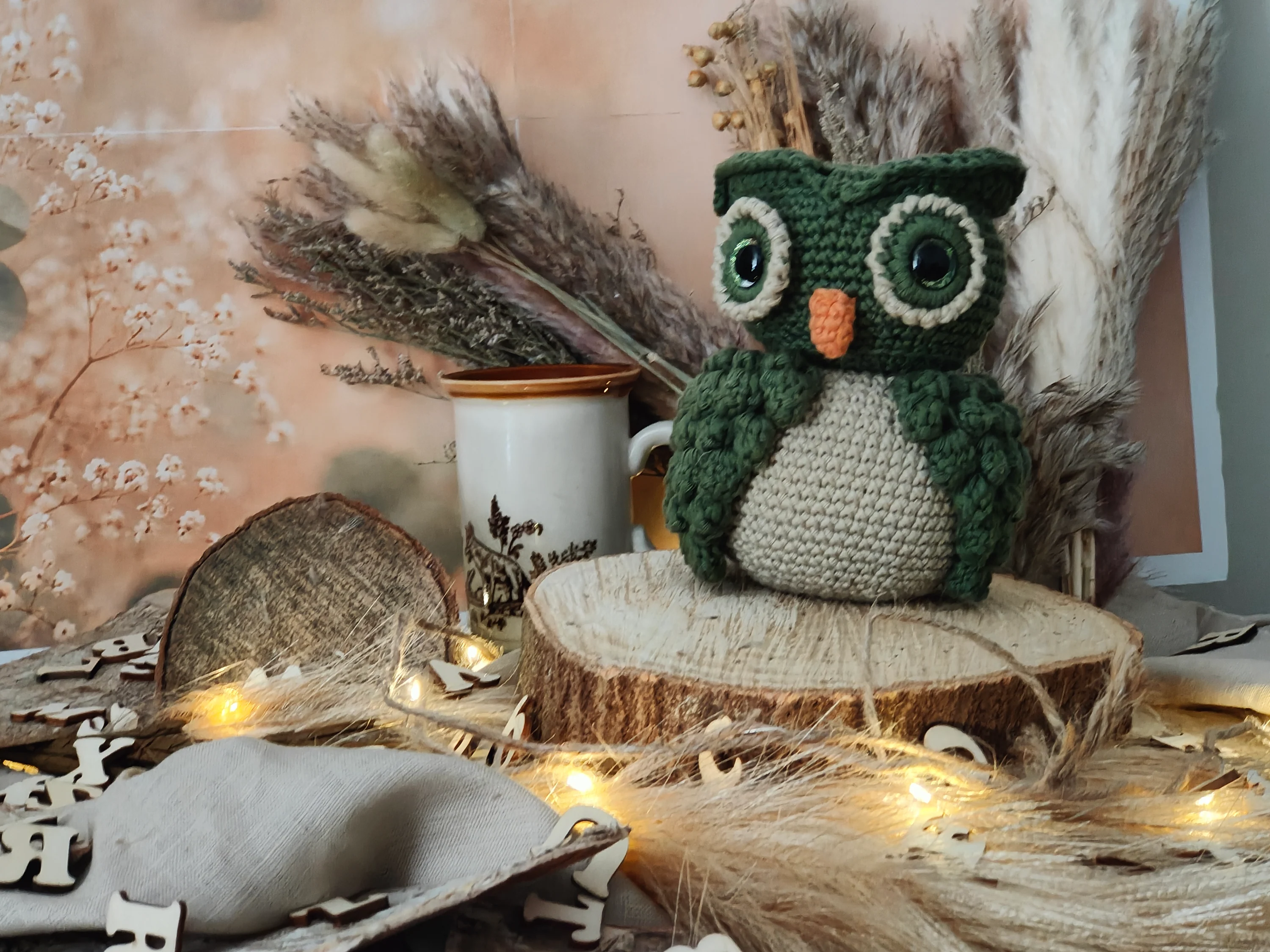 The crochet owl takes centre stage in the new Virtual Ventures photo setup.
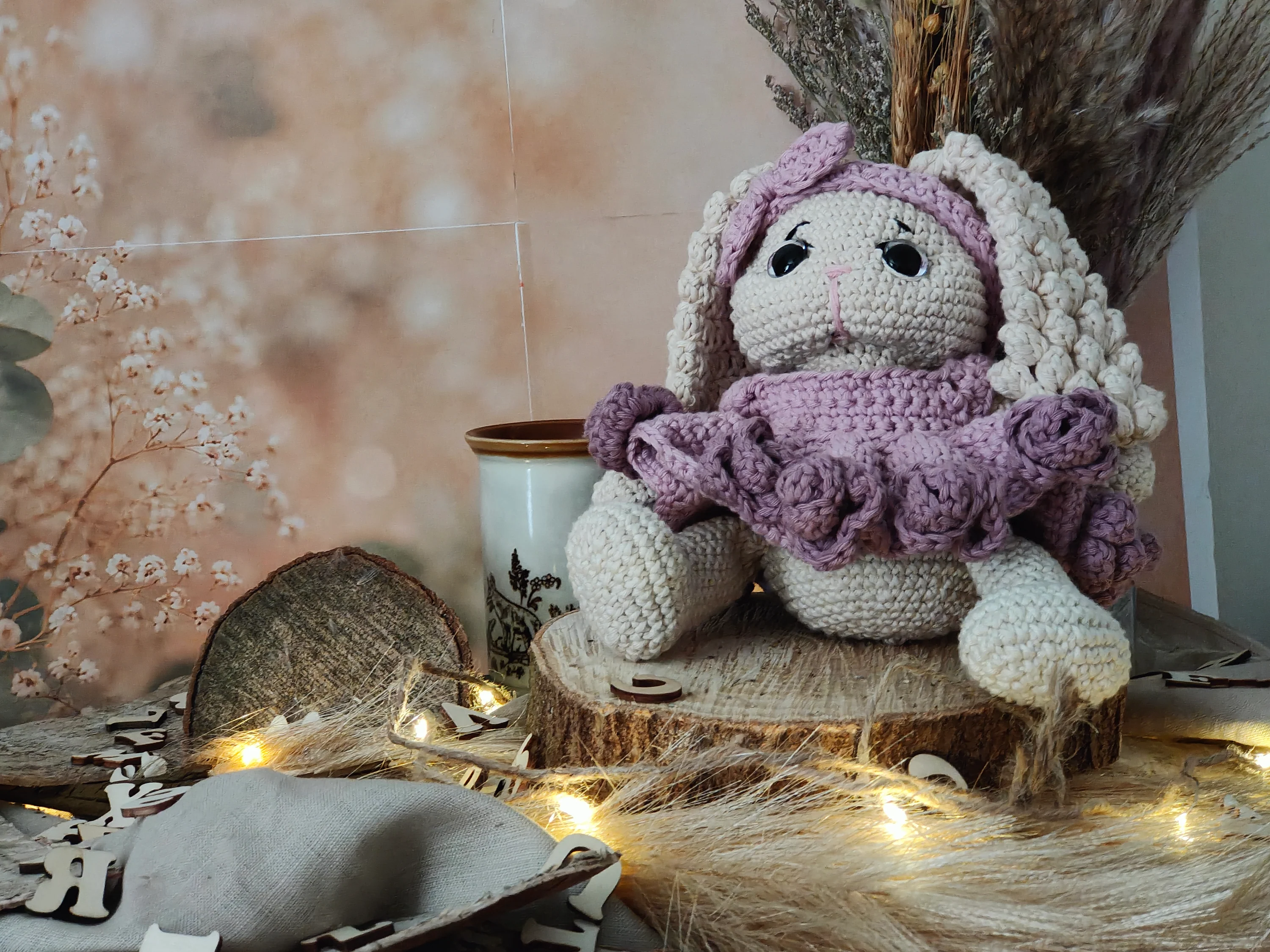 A soft little crochet bunny testing out the new stage.
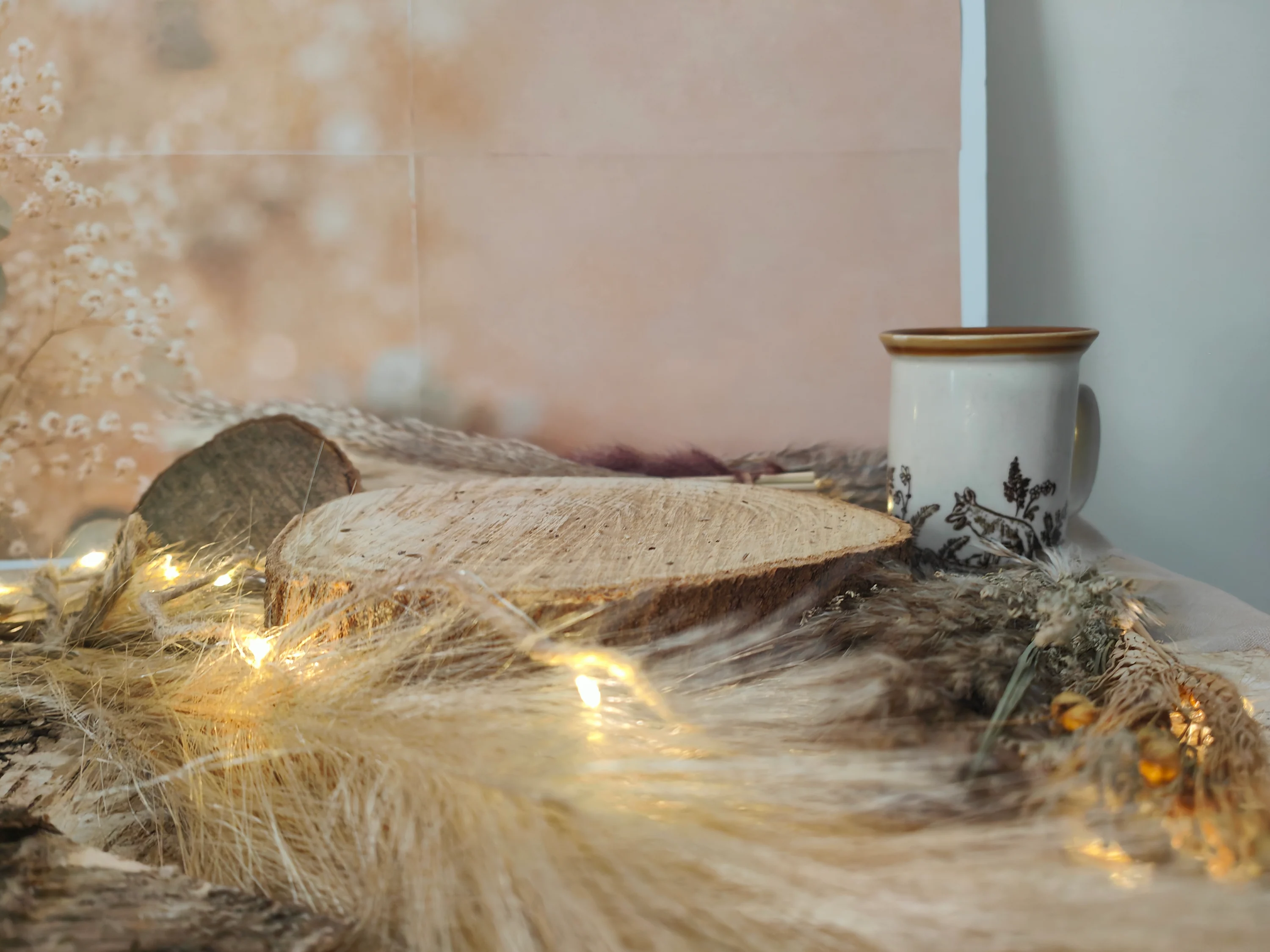 The little stage before the handmade characters step into the spotlight.